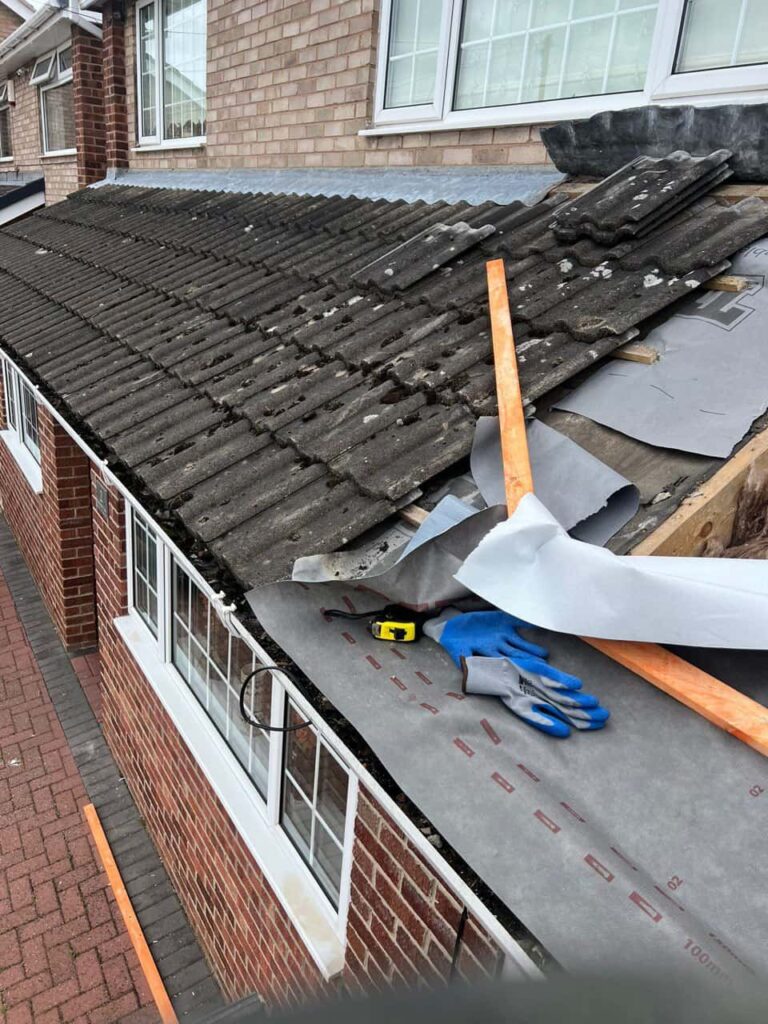
Most homeowners hope their roof will last as long as possible with only occasional maintenance. In many cases, timely repairs can successfully extend a roof’s lifespan. However, there comes a point when renewal is no longer optional but necessary. Recognising when a roof has reached this stage helps prevent ongoing disruption and protects the long-term condition of the property.
At Wingerworth Roofing Repairs in Wingerworth, Nottinghamshire, we regularly assist homeowners who are unsure whether further repairs will be effective or if replacement is now the most sensible solution.
When Repairs Stop Delivering Lasting Results
Repairs are most effective when issues are localised. If problems continue to reappear, this usually signals that the roof’s core materials are deteriorating.
Common indicators include:
- Leaks returning in different areas
- Repairs failing after short periods
- Increasing frequency of roofing issues
- Multiple defects appearing at once
These signs often mean the roof can no longer function reliably as a complete system.
Ageing Materials Reach Their Limits
Roofing materials are constantly exposed to weather, temperature changes, and environmental stress. Over time, tiles become brittle, fixings weaken, and protective layers break down.
Once materials reach the end of their service life, repairs cannot restore their original performance. Renewing the roof replaces these exhausted materials entirely, restoring full weather protection.
Underlay Failure Beneath the Surface
The underlay beneath roof tiles is essential for preventing wind-driven rain from entering the home. On older roofs, underlay may:
- Tear or split
- Become brittle and crumble
- Lose its waterproofing ability
When underlay deterioration is widespread, replacing surface tiles or flashing will not stop water ingress. Renewal is the only reliable solution.
Structural Movement and Weakening
Long-term moisture exposure and ageing timbers can weaken the roof structure itself. This may lead to sagging rooflines, uneven tile placement, or shifting loads.
Structural issues cannot be corrected through patch repairs. A full roof replacement allows the framework to be strengthened and aligned properly, restoring stability.
Moisture Damage That Continues to Spread
If water has been entering the roof for a prolonged period, hidden damage may already exist within insulation, rafters, and internal ceilings. Even when leaks appear resolved, trapped moisture can continue causing deterioration.
Replacing the roof removes damaged materials completely, stopping moisture issues at their source.
The Roof Has Reached Its Natural Lifespan
Every roof has a finite lifespan. When a roof approaches or exceeds this limit, repairs become increasingly temporary. Renewing the roof provides:
- A fully restored weatherproof system
- Improved ventilation and drainage
- Long-term reliability
- Greater peace of mind
Conclusion
Roof renewal becomes inevitable when repairs no longer provide lasting protection. Widespread deterioration, underlay failure, structural weakening, and persistent moisture issues all indicate that a replacement roof is the most effective way forward.
If you are unsure whether your roof can still be repaired or may need renewal, Wingerworth Roofing Repairs in Wingerworth, Nottinghamshire is here to help. Contact us today to arrange a professional assessment and receive clear, expert guidance on the best long-term solution for your home.
Call us on: 01246 956 395
Click here to find out more about Wingerworth Roofing Repairs
Click here to complete our contact form and see how we can help with your roofing needs.