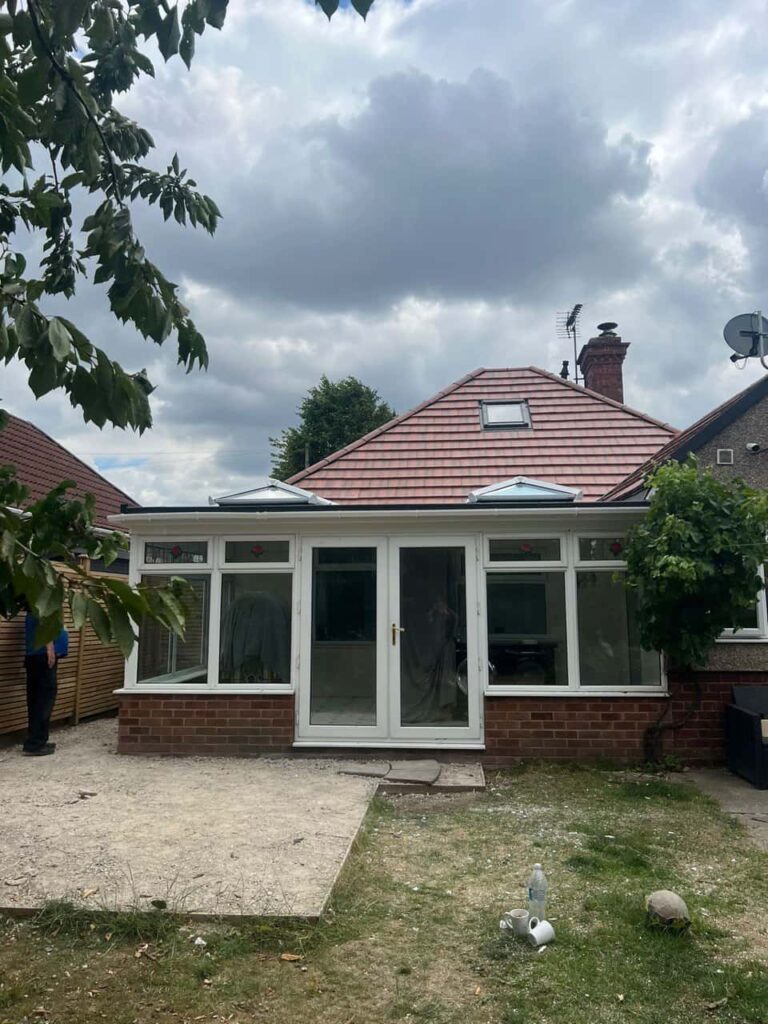
Leadwork plays an important role in keeping a roofing system watertight, particularly around areas where different surfaces meet. Although roof tiles or slates provide the main external covering, there are numerous junctions where these materials alone cannot prevent water from entering. Correctly installed leadwork protects these vulnerable areas by directing rainwater safely over the roof covering and away from potential entry points.
When leadwork becomes damaged, loose or deteriorated, even a relatively small opening can provide a route for rainwater to enter beneath the roof. For homeowners in Wingerworth, Nottinghamshire, recognising the signs of leadwork problems and arranging timely repairs can help prevent a localised defect from developing into a more extensive roofing issue.
At Wingerworth Roofing Repairs, we inspect and repair roofing defects carefully, ensuring the underlying cause of water ingress is identified rather than simply treating the visible symptoms.
What Does Leadwork Do on a Roof?
Lead has been widely used in roofing because it is durable, weather resistant and capable of being formed around complex roof details.
Its primary purpose is to protect junctions where rainwater could otherwise penetrate the roofing system. Depending on the design of the roof, leadwork may be found around:
- Chimneys
- Roof-to-wall junctions
- Valleys
- Abutments
- Other changes in the roof structure
These areas are particularly important because they interrupt the continuous covering created by tiles or slates.
When the leadwork is correctly fitted and remains in good condition, rainwater is directed away from these vulnerable junctions.
How Does Damaged Leadwork Cause a Roof Leak?
Water will take advantage of relatively small gaps in a roofing system.
If lead flashing becomes lifted, split or displaced, rain can reach areas that should normally remain protected. Once water passes behind the leadwork, it can travel beneath tiles, along roofing materials or through gaps around the affected junction.
This means the place where water becomes visible inside the property may not be directly below the damaged lead.
Correctly diagnosing a leadwork leak therefore requires an inspection of both the suspected entry point and the surrounding roof.
Cracks and Splits Can Create Entry Points
Lead naturally expands and contracts as temperatures change. Proper installation allows for this movement, but ageing, previous workmanship or deterioration can eventually contribute to cracks or splits.
Even a narrow opening can allow wind-driven rain to pass beneath the flashing.
These defects can sometimes be difficult to identify from ground level, particularly when they occur around chimney stacks or other elevated roof details.
A professional inspection can determine whether the lead itself is damaged and assess the condition of the surrounding materials.
Lead Flashing Can Become Loose
Leadwork needs to remain securely positioned to perform effectively.
If sections begin lifting away from a wall, chimney or roof surface, the protective overlap can be compromised. Wind-driven rain may then find its way behind the flashing.
Loose leadwork should not simply be pushed back into place without investigating why it has moved. The fixings, joints and surrounding materials should also be examined to ensure the repair addresses the cause of the problem.
Chimney Leadwork Is Particularly Important
The point where a chimney passes through a roof creates several vulnerable junctions.
Lead flashing is commonly used around these areas to form a weather-resistant transition between the chimney and the roof covering. If any part of this arrangement deteriorates, rainwater may begin entering around the chimney.
Internally, this can sometimes appear as dampness close to the chimney breast or within the roof space.
However, similar symptoms can have different causes, which is why accurate diagnosis is important before repair work begins.
Roof-to-Wall Junctions Need Reliable Protection
Where a sloping roof meets a vertical wall, effective flashing is essential.
Without correctly functioning leadwork, water running down the wall or across the roof can penetrate the junction. If flashing has lifted, cracked or become poorly sealed into the adjoining structure, moisture may begin entering beneath the roof covering.
Because these junctions can handle significant amounts of rainwater, relatively minor defects should not be ignored.
Water Can Travel Away From the Damaged Leadwork
One reason leadwork problems can be difficult for homeowners to identify is that water does not always travel directly downwards.
After passing through a damaged junction, moisture can follow roofing membranes, timbers or other surfaces before reaching the interior.
As a result, a damp patch on a ceiling may appear some distance from the actual defect.
Repairing the area directly above an internal stain without tracing the water’s route can therefore leave the original problem unresolved.
What Are the Signs of Failing Leadwork?
Some leadwork problems can be seen externally, while others first become apparent inside the property.
Possible warning signs include:
- Visible splits in lead flashing
- Sections of flashing lifting away from adjoining surfaces
- Loose or distorted leadwork
- Dampness around chimney areas
- Water marks on ceilings or walls
- Recurring leaks during heavy or wind-driven rain
- Deterioration around roof junctions
These symptoms do not always confirm that leadwork is responsible, but they indicate that the roof should be properly inspected.
Why Small Leadwork Defects Should Be Addressed Promptly
A small split in flashing may initially allow only limited amounts of water into the roofing system. However, repeated rainfall can gradually increase the amount of moisture affecting the surrounding area.
If left unresolved, water ingress can begin affecting roofing timbers, battens, underlay and internal finishes.
Addressing a localised leadwork defect at an early stage can therefore help prevent a relatively straightforward roofing repair from developing into a more extensive problem.
Why Simply Sealing the Visible Gap May Not Be Enough
A roofing leak needs to be repaired according to its underlying cause.
Applying a temporary seal to a visible gap may appear to stop water for a short period, but it does not necessarily restore the correct function of the flashing. It may also fail to account for the natural movement that lead experiences.
Professional leadwork repairs consider how the material has been installed, why it has failed and how rainwater moves across that section of the roof.
This approach provides a more dependable solution than simply covering the visible defect.
The Surrounding Roof Should Also Be Checked
When damaged leadwork is identified, it is sensible to inspect the materials around it.
Tiles or slates may have moved, mortar may have deteriorated or prolonged moisture exposure may have affected components beneath the roof covering.
Checking the complete area allows the repair to address everything that has been affected rather than focusing solely on the most obvious piece of damaged lead.
Professional Leadwork Repairs Protect the Wider Roof
Successful leadwork repairs require an understanding of roof construction, water movement and the correct detailing of vulnerable junctions.
The objective is not simply to make the damaged section look better. The repair needs to restore a reliable route for rainwater to travel across the roof without entering the property.
At Wingerworth Roofing Repairs, we provide professional roof repairs and new roofing solutions throughout Wingerworth, Nottinghamshire. When investigating suspected leadwork problems, we assess the affected junction and surrounding roofing materials so that the appropriate repair can be carried out.
Conclusion
Damaged leadwork can allow water into a roof by creating gaps at some of the roofing system’s most vulnerable junctions. Splits, loose flashing, movement and deterioration around chimneys or roof-to-wall connections can all provide potential routes for rainwater to pass beneath the external roof covering.
Because water can travel before becoming visible inside a property, identifying the exact source of a leak is essential. A professional inspection can establish whether leadwork is responsible, determine the extent of any surrounding damage and ensure the correct repair is completed.
If you have noticed signs of a roof leak or are concerned about damaged leadwork in Wingerworth, Nottinghamshire, Wingerworth Roofing Repairs can inspect the problem and provide an appropriate roofing solution. Prompt attention can help restore effective weather protection and prevent a small defect from affecting a larger area of your roof.
Call us on: 01246 956 395
Click here to find out more about Wingerworth Roofing Repairs
Click here to complete our contact form and see how we can help with your roofing needs.